The short answer
Blue light glasses are a comfort feature, not a cure-all. A 2023 Cochrane review found that blue-light filtering lenses on their own may not reduce short-term eye strain from computer work compared with regular lenses, and that the evidence on sleep is mixed. What makes screen days genuinely easier is the whole package: lenses that focus at screen distance, less glare, a light frame you will actually keep on, and good screen habits. The best "blue light glasses" are the ones that do more than filter blue light.
What is blue light, anyway?
Blue light is the short-wavelength, high-energy part of visible light. The sun is by far the biggest source; phones, laptops, tablets and LED lighting give off much smaller amounts. Blue light during the day helps keep us alert, while bright screens late in the evening are often linked with feeling more awake at bedtime.
Blue light glasses use a coating or a lightly tinted lens to filter part of that blue light before it reaches your eyes. The marketing usually promises two things: more comfortable screen time and better sleep.
What the research says
The most thorough look at the evidence is a Cochrane systematic review published in August 2023 (Cochrane: blue-light filtering spectacle lenses), which pooled randomized trials of blue-light filtering spectacle lenses:
- Eye strain: blue-light filtering lenses may not reduce short-term eyestrain from computer work compared with non-filtering lenses.
- Sleep: the results were split — three trials reported better sleep scores and three found no significant difference — so the reviewers could not draw a firm conclusion.
The American Academy of Ophthalmology makes a related point: computer glasses for reducing eye strain are not the same thing as blue light blocking glasses (AAO). In other words, the filter is only one part of the story.
So why do so many people say their eyes feel better?
Because the glasses that make screen days easier usually change more than the light. Many people who switch to a pair designed for screens are also, for the first time, looking through a lens focused at the right distance, with less glare and a lighter frame. Those changes matter:
- Focus distance. After 40, close focus gets harder. Readers set for a book make a monitor at 25 inches look soft, so you lean in and strain. A lens zone set for screen distance removes that effort.
- Glare. Bright light from windows, overhead lights and the sun is a classic source of squinting and fatigue.
- Comfort and habit. A light pair you keep on all day beats a heavy pair that lives in its case.
What to look for in blue light glasses
- A lens that matches how you use screensIf you are over 40, look for a lens with a zone for arm’s-length screens, ideally with reading and distance zones too, so you can glance up without swapping pairs.
- Built-in blue light filtering, as a bonusA nice comfort extra for long sessions, especially in the evening. Treat it as one feature, not the whole reason to buy.
- Glare control for outdoorsPhotochromic lenses that darken in sunlight mean the same pair works on your lunch walk.
- A light, comfortable frameUnder an ounce is ideal for all-day wear without pressure marks.
- A real guaranteeComfort is personal. A long money-back window lets you test a pair in your own routine.
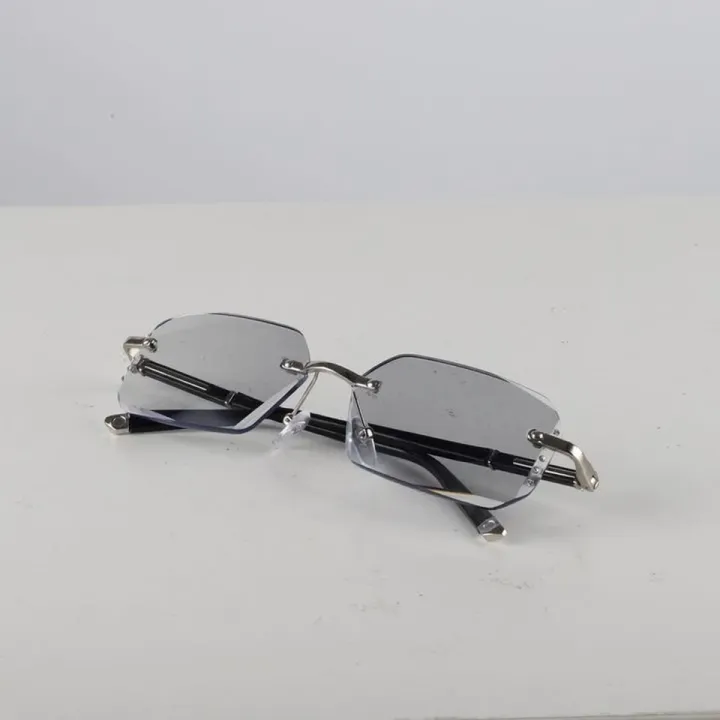
Clear indoors, tinted outside
A pair with a photochromic tint stays clear at your desk and darkens in bright sun, so one pair covers the office, the commute and the walk at lunch.
Good habits still do half the work
Whatever glasses you choose, pair them with the basics: the 20-20-20 rule, conscious blinking, a screen about 25 inches away and slightly below eye level, brightness matched to the room, and dimmer screens in the hour before bed. Our guide to digital eye strain walks through each one.
Our recommendation: BlueLume Glasses
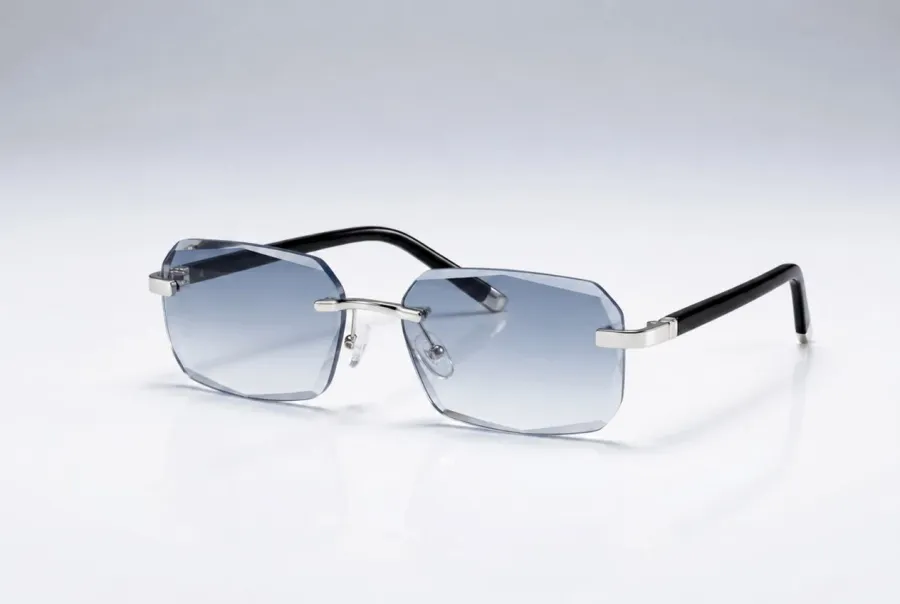
If you are shopping for blue light glasses, we suggest choosing a pair that covers everything the research says matters, not just the filter. That is exactly why we like BlueLume Glasses: you get built-in blue light filtering, but also a near-to-far lens with a dedicated computer zone, a photochromic tint for glare outdoors and a featherlight frame you can wear from morning to night. Far more useful day to day than a plain filter-only pair.
- Near-to-far lens: reading zone at the bottom, computer zone in the middle, distance at the top.
- Built-in blue light filtering for phones, laptops, tablets and TVs.
- Photochromic tint that darkens outdoors and clears indoors.
- Under one ounce, no batteries, no prescription needed to order.
On the official checkout it costs $44.43 for one pair (regular $88.86) and drops to $39.99 per pair on the 3-pair package (as low as $35.54 on five), with free shipping shown at checkout and a 90-day money-back guarantee.
Want every detail first? Read our full BlueLume Glasses review.
Frequently asked questions
Are blue light glasses worth it?
They can be worth it as a comfort feature, especially if the pair also focuses at screen distance and handles glare. On their own, research suggests blue light filters may not reduce short-term eye strain, so choose a pair that does more than filter, like a near-to-far lens with blue light filtering.
Can blue light glasses help you sleep?
The evidence is mixed: in the 2023 Cochrane review, three trials found better sleep scores and three found no significant difference. Dimming screens, using night mode and putting devices down earlier in the evening are sensible habits either way.
Should I wear blue light glasses all day?
You can. Blue light filtering lenses are safe to wear all day. A pair with clear indoor lenses, a photochromic tint outdoors and reading-to-distance zones is designed precisely for all-day wear.
Do I need a prescription for blue light glasses?
Not usually. Many, including BlueLume Glasses, can be ordered without submitting a prescription. If you have a diagnosed eye condition or a strong prescription, ask your eye-care professional which lenses suit you.